
Space science
Spot the mouse on Mars?
The article was done by collaborator Scott C. Waring, who worked for the US Air Force at SAC base.
Browse ScienceInfo articles and explainers related to Mars Life.
75 published items.
The article was done by collaborator Scott C. Waring, who worked for the US Air Force at SAC base.
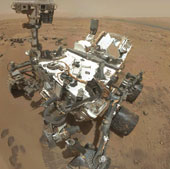
The American Curiosity autonomous device recognizes that radiation on Mars is equivalent to the radiation on low Earth's orbit so humans can function normally on the red…
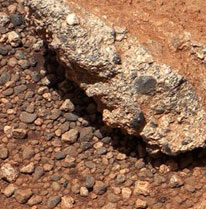
The Curiosity autonomous probe has found evidence of the existence of a deep stream on Mars, a finding that could help scientists prove water once flowed on the red plan…
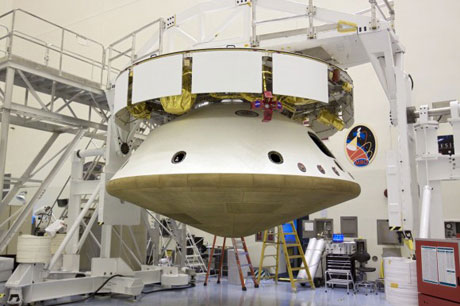
If the Curiosity autonomous exploration device finds bacteria on Mars, that discovery is unlikely to be evidence of life on the red planet.
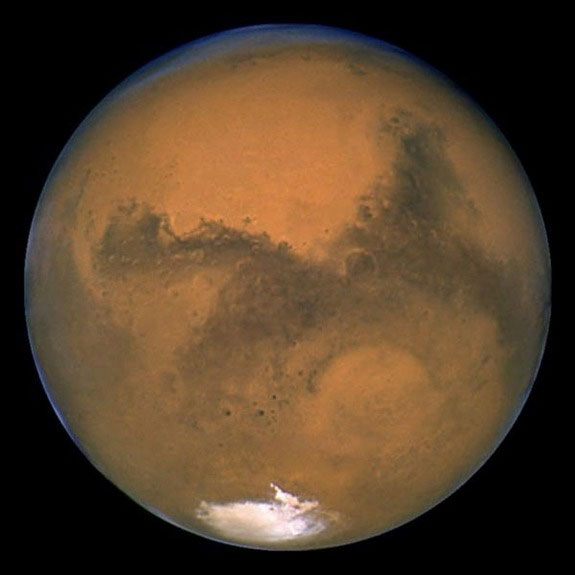
The results of a study by French and American scientists published in the September 9 issue of Nature Geoscience show that Mars is not a warm, humid planet and can survi…
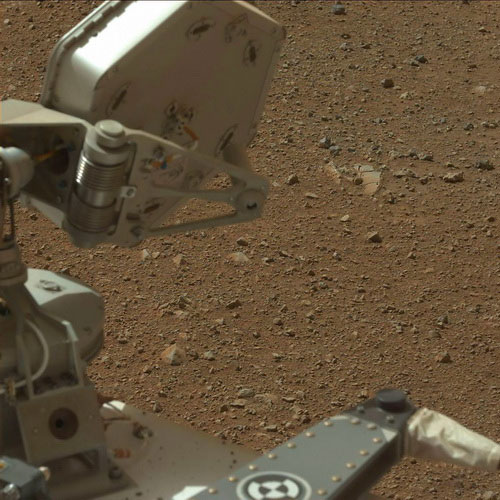
On August 13, US President Barack Obama joked with the American Mars and Aeronautics (NASA) Mars driver exploration vehicle scientists that they must report immediately…
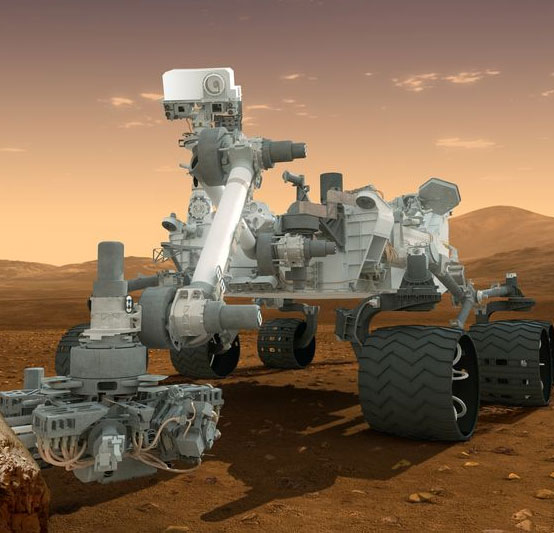
Curiosity, the name of the self-propelled device of the US Aerospace Agency (NASA) flying to Mars, will land on the red planet on August 5. Where it will land is the Gal…
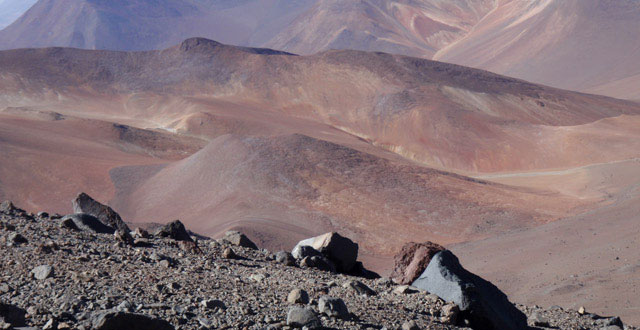
Analysis of DNA samples in volcanic regions like Mars of South America showed that a group of archaea bacteria, fungi and bacteria not only survived there, but also rece…

According to the Daily Mail (UK) on April 27, US scientists have discovered a large desert of glass on the surface of Mars and this may be evidence that there exists lif…
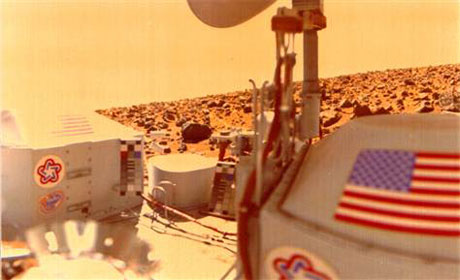
International scientists and mathematicians claim American robots found bacteria on the red planet in 1976, but the discovery was ignored.

Amateur astronomers have discovered a strange structure protruding from the surface of Mars. It looks like a regular rock; but it is worth mentioning that the rock is pe…
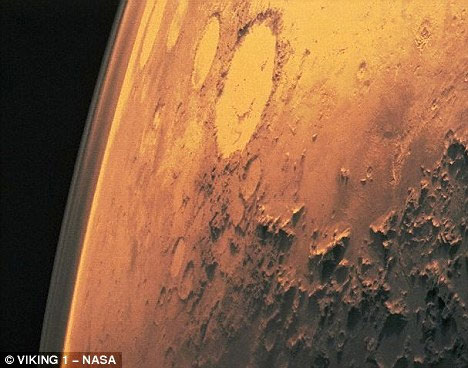
Scientists have found many types of crater bacteria in the United States, many of which are related to life on Mars. The types of bacteria found in the crater area that…
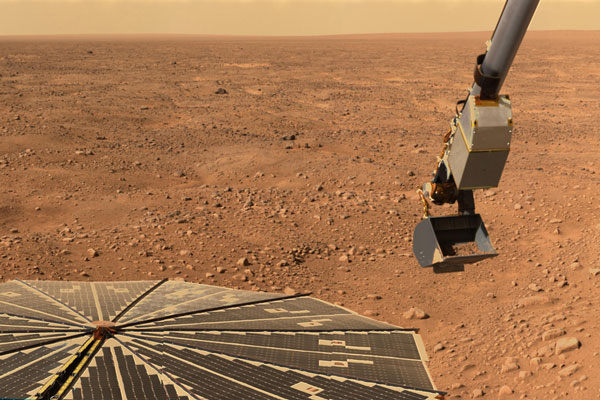
Serious arid conditions that last for more than 600 million years on Mars can wipe out all that life, no matter how tough.
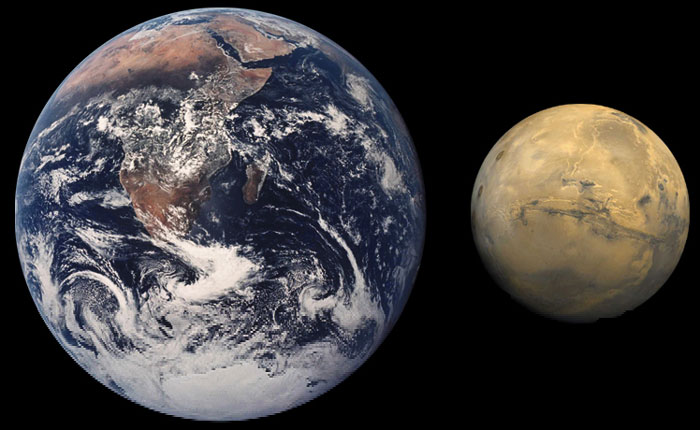
A comprehensive survey of the Australian National University shows that the space suitable for life on Mars is even greater than Earth.
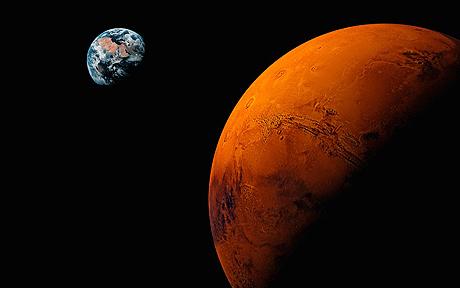
Scientists from the US Aeronautics Agency (NASA) have discovered that Mars once existed a lot of CO2.